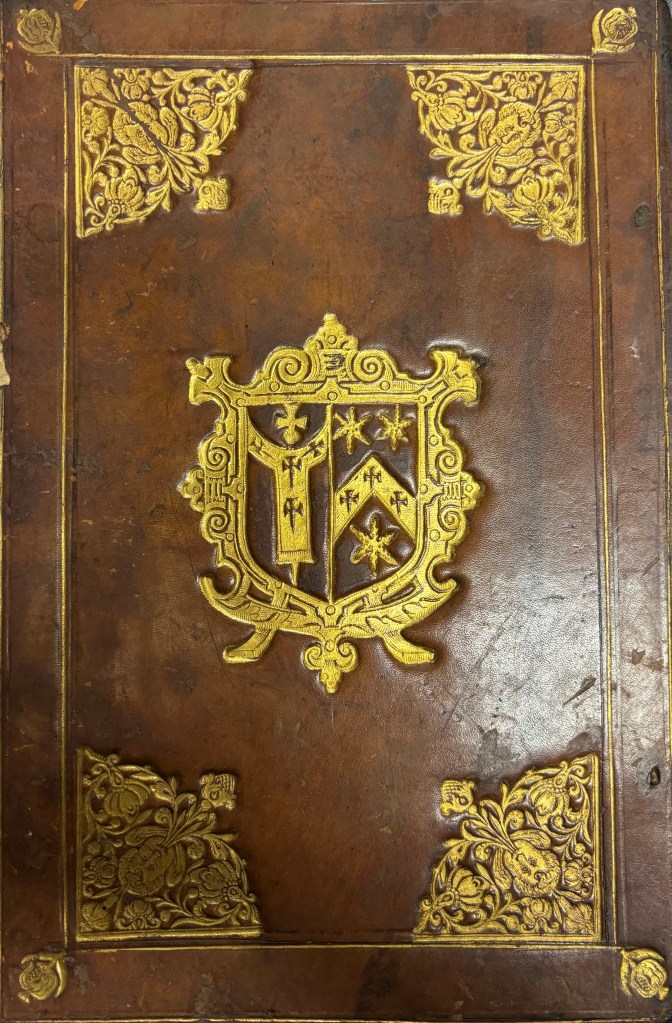
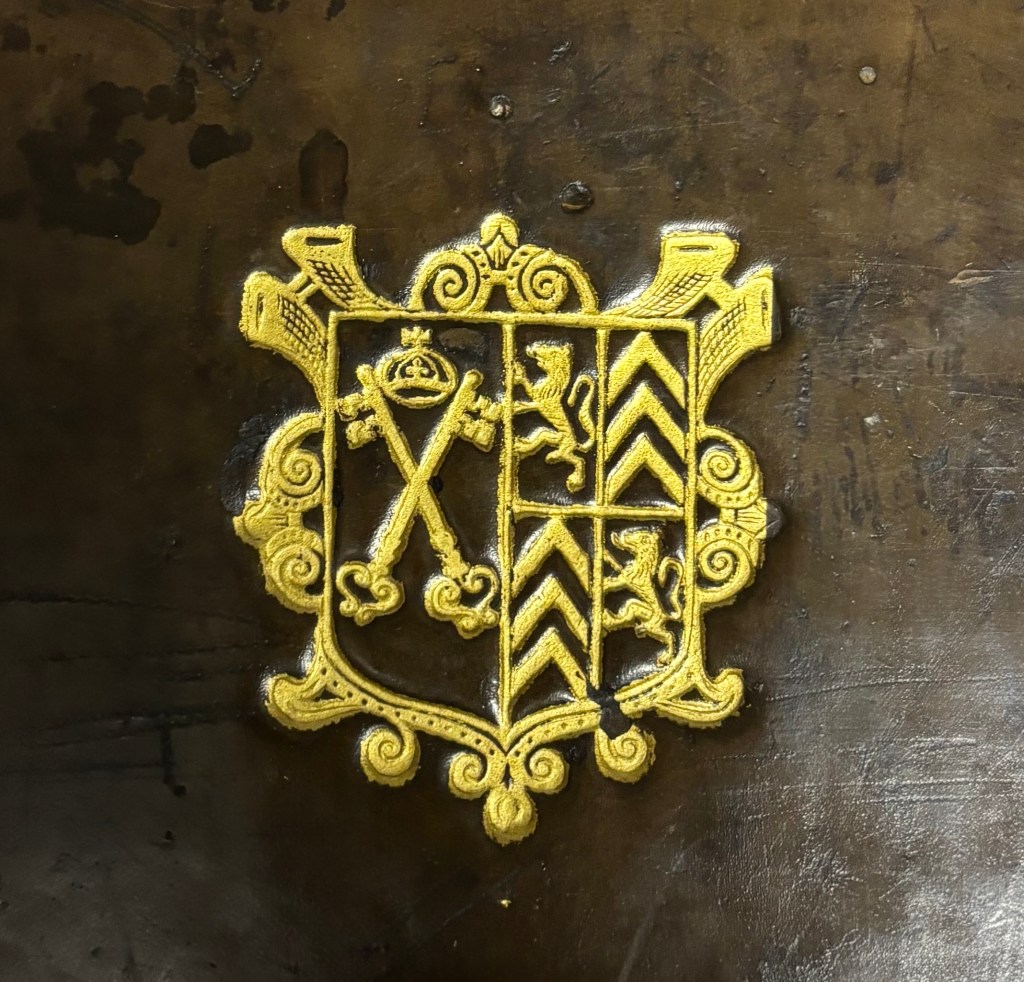
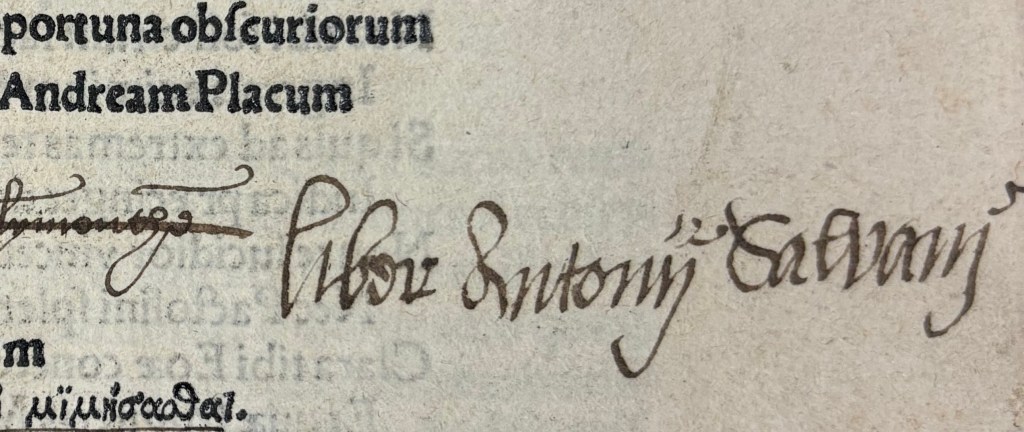
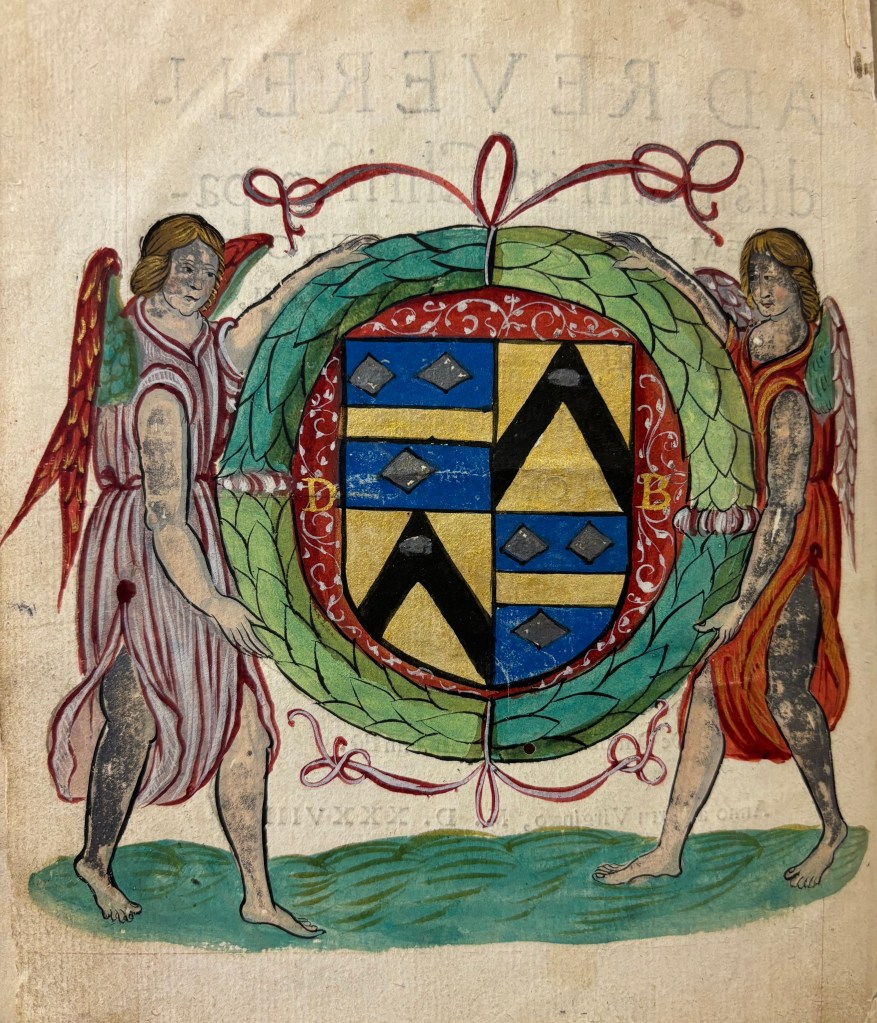
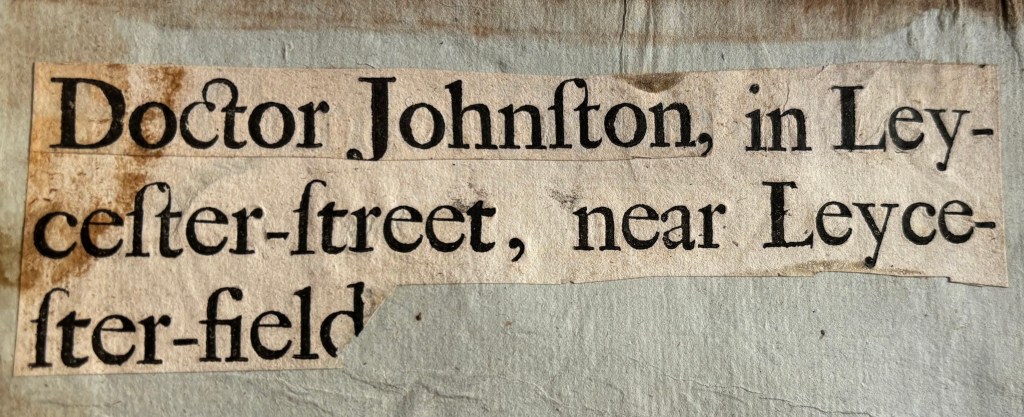
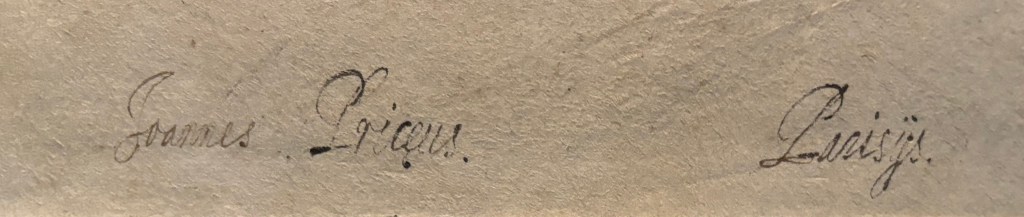
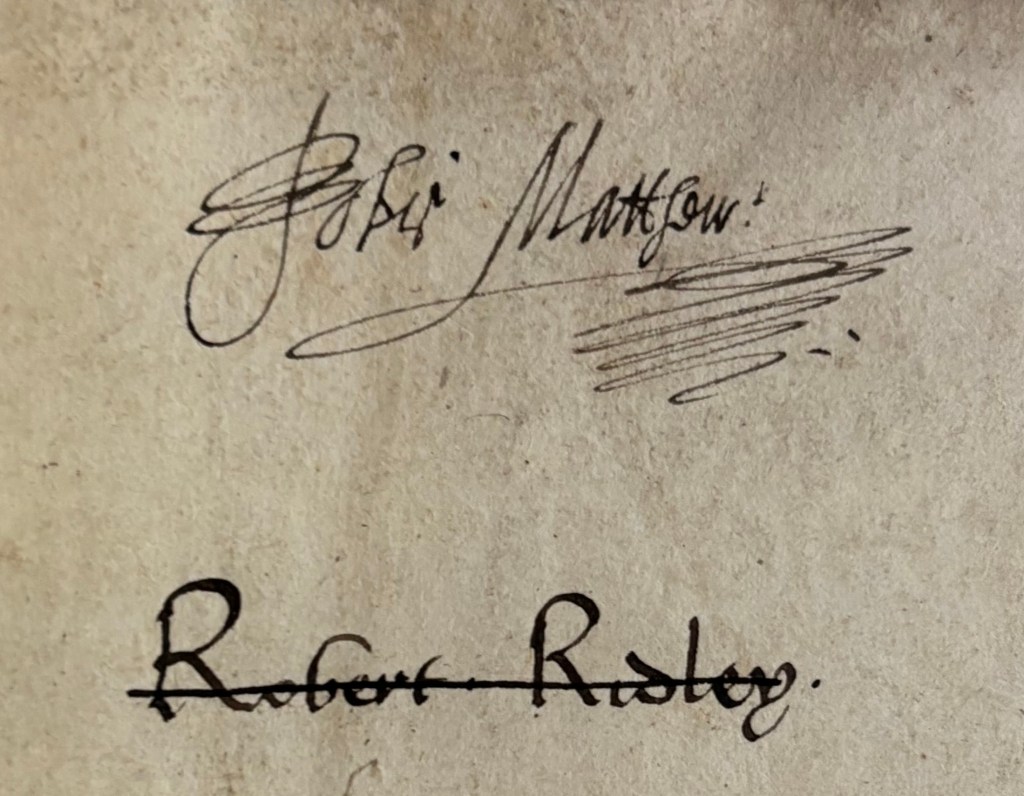
In 2025 Edward Potten undertook a book-in-hand survey of the Inventoried collections of York Minster Library, with the aim of re-examining the history of the library not from the archival records but from marks of ownership and use with individual books.
York Minster Library is the largest cathedral library in the country, and with 121 incunabula – books printed between the invention of the printing press in 1454 and 1501 – it ranks as an important national collection.
The origins of the Minster Library can be traced to at least the eighth century, when the great scholar Alcuin assembled a library of manuscripts in York, but there is no record of a library at the Minster until the early fifteenth century. The will of the lawyer, academic and cleric John Neuton (c. 1350-1414), listed 35 manuscripts he gifted to the Minster, essentially founding the library we know today.
Some of the names of later donors of incunabula to the Minster are well known, others less so. In 1628 Frances Matthew famously gave 3,000 books from the library of her husband, Archbishop Tobie Matthew (1546-1628), whilst Ferdinando Fairfax (1584-1648), commander of the parliamentary forces in Yorkshire during the Civil War, presented his library between 1644 and 1648. Other fifteenth-century books arrived from less noteworthy sources, gifted by canons, deans and local vicars and deposited with parochial libraries.
The period between Neuton’s bequest and the major donations of the early seventeenth century remains little explored. This project sought to flesh-out this critical period, but also to explore the donation of books from 1700-1800.
Sarah Griffin, Minster Librarian writes:
Over the course of three months Ed physically checked 28,000 books printed between 1600 and 1800. This period saw the donation of the foundation collections that make up the bulk of the library today. Copy specific data including provenance, evidence of use, and bindings was recorded. This new information will be added to the catalogue records and give a much clearer pattern of ownership and use. The work has also identified connections between the major donors, which tells us about intellectual networks in the North of England and further afield, as well as more understanding of the early modern book trade in the North.
The subsequent report has given us new insights into the value and histories of our own collections, enabling us to interpret them in different ways to our audience. It will help us to identify and prioritise areas of work by posing new research questions and by identifying the places where there are gaps in our knowledge. York Minster’s strategic plan puts a firm emphasis on the theme of learning and transformation of ourselves and others and this report perfectly aligns with that intention.

